 Laval Hub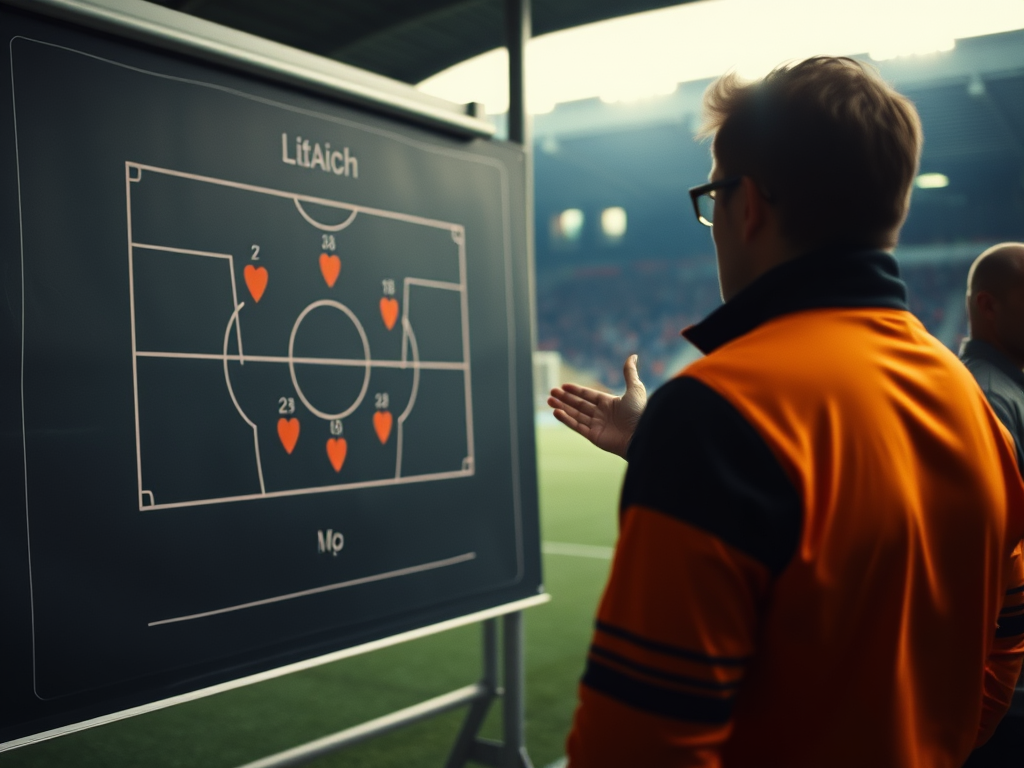
As Laval continues to navigate the challenges of the Ligue 2 season, the focus remains on honing their tactical identity. Recent performances have highlighted both strengths and weaknesses within the team’s setup, particularly in their formation and approach to ball possession.
Currently, Laval employs a 4-2-3-1 formation, which has served them well in terms of defensive stability and midfield control. However, the team has struggled to convert possession into clear-cut chances. This has been particularly evident in matches where the opposition has pressed high, forcing Laval into hurried decisions and limiting their creative output. To address this, a shift to a more fluid 4-3-3 formation could provide the attacking thrust they need while maintaining defensive solidity.
In a 4-3-3 setup, the central midfield trio could be tasked with not only retaining possession but also transitioning quickly into attack. This would allow for greater width and depth in their offensive play, with wingers being encouraged to cut inside and create opportunities for strikers. Additionally, having a dedicated attacking midfielder who can link play effectively will be crucial in breaking down organized defenses.
Laval's current forward line has shown potential but often lacks the service required to capitalize on scoring opportunities. By positioning a more dynamic forward, capable of making intelligent runs and creating space, Laval can exploit defensive gaps. This adjustment would not only aid in goal-scoring but also draw defenders out of position, allowing midfielders to surge forward and support attacks.
Defensively, while the back four has been resolute, the team could benefit from a more proactive approach to pressing. Implementing a coordinated press, particularly in the opposition's half, could disrupt their build-up play and force turnovers. Training sessions focused on pressing triggers and defensive organization will be vital in transitioning from defense to attack swiftly.
Moreover, the inclusion of versatile players who can adapt to various roles will provide the team with flexibility. For instance, a player like S. Sanna, who can shift between defensive midfield and center-back, allows for tactical fluidity during matches. This adaptability can be pivotal in maintaining control of the game, especially in tightly contested fixtures.
Finally, mental resilience and the ability to adapt during matches will be essential as Laval seeks consistency. Encouraging players to take ownership of their roles on the pitch and fostering a culture of communication can significantly impact their ability to adjust tactics mid-game.
In conclusion, while Laval has shown glimpses of brilliance this season, minor tactical tweaks—such as a shift to a 4-3-3 formation, enhanced pressing strategies, and greater player versatility—could elevate their performance. As Les Tango look to solidify their position in Ligue 2, these adjustments may prove crucial in achieving their goals.